
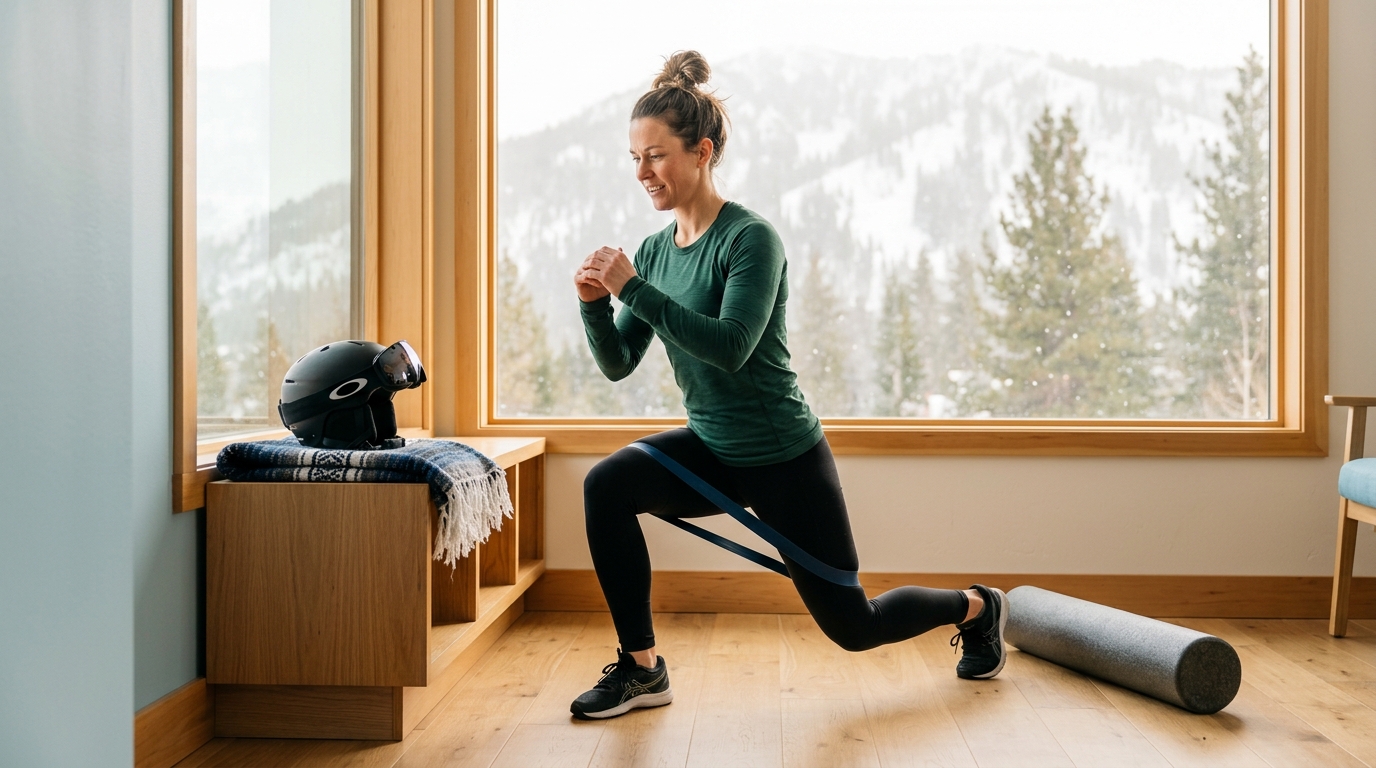
Ski and Snowboard Preseason Prep: Getting Your Body Ready for a Lake Tahoe Winter
Snow days are more enjoyable when your body is ready for the demands of the mountain. Before your first ski or snowboard day, a little focused preparation can help you move with more confidence, build endurance gradually, and pay closer attention to the aches and tightness that may deserve support.
Quick Summary
- Start mobility, strength, and balance work several weeks before your first day on the mountain.
- Build your conditioning gradually so your legs, core, and cardiovascular system can adapt.
- Make recovery part of your routine, not an afterthought following a long day at the resort.
- Consider individualized chiropractic care when stiffness, recurring discomfort, or movement limitations are getting in the way of preparation.
At Aligned Chiropractic and Wellness in Stateline, Nevada, we work with active people from Lake Tahoe and South Lake Tahoe who want to feel prepared for the activities they enjoy. Skiing and snowboarding require more than strong legs: they ask for hip and ankle mobility, trunk control, balance, coordination, and the ability to recover between outings. Whether you are planning mellow groomer days, back-to-back weekends, or your first season in years, a thoughtful preseason routine can make a meaningful difference in how you feel.
Start With Mobility You Can Use on the Mountain
Skiing and snowboarding both place your hips, knees, ankles, and spine in positions that may feel unfamiliar after months away from snow sports. Mobility work is not about forcing deep stretches. It is about helping your joints and surrounding tissues move comfortably and with control through the ranges you need.
Try incorporating controlled ankle circles, knee-to-wall ankle mobility drills, hip rotations, bodyweight squats, and gentle thoracic spine rotations into your warm-up. Snowboarders may especially notice the value of hip and upper-body mobility when riding with one foot forward for long periods. Skiers often benefit from addressing ankle movement and hip control for smoother turns and better positioning.
If you notice that one side consistently feels restricted, or that certain movements bring on recurring discomfort, it can be useful to get an individualized assessment rather than pushing through. Our services are designed to support movement and comfort with a hands-on, personalized approach.
Build Leg and Core Strength Before Opening Day
Your quads get plenty of attention during ski season, but strong hips, hamstrings, calves, and core muscles are just as important. These areas help you maintain control as terrain, snow conditions, and fatigue change throughout the day.
Keep your strength routine simple and consistent. Squats, split squats, step-ups, deadlifts or hip hinges, calf raises, and glute bridges are practical options. Start with bodyweight or a manageable load, prioritize good form, and progress slowly. For your core, think beyond endless crunches: planks, side planks, dead bugs, carries, and controlled rotational exercises can help build the bracing and coordination needed during turns.
You do not need a complicated gym plan to prepare. Two or three well-rounded strength sessions each week can be a strong foundation when paired with regular walking, hiking, cycling, or another form of conditioning you enjoy.
Train Your Balance and Single-Leg Control
Mountain sports rarely happen on perfectly predictable surfaces. Balance work helps prepare you to respond when snow gets chopped up, a turn is uneven, or fatigue starts to affect your form. It can also reveal side-to-side differences that are easy to miss during regular exercise.
Begin with single-leg stands near a wall or countertop. From there, add small reaches with the opposite foot, step-downs from a low step, or single-leg Romanian deadlifts with little or no weight. Lateral movement matters, too. Side steps with a resistance band, lateral lunges, and controlled skater steps can help prepare your hips and legs for side-to-side demands.
The goal is not to perform advanced balance tricks. The goal is to improve control, awareness, and confidence in movements that translate to your time on the mountain.
Increase Conditioning Gradually
A common preseason mistake is going from relatively little activity straight into an all-day ski or snowboard session. Even if you are generally fit, snow sports can create a different kind of fatigue. Your legs may be working continuously, your heart rate may rise at altitude, and you may be carrying gear, navigating stairs, or making repeated runs with limited breaks.
Build gradually by increasing the length or intensity of your workouts over several weeks. Brisk walks on varied terrain, incline treadmill sessions, cycling, hiking, and short intervals can all support general endurance. Add leg-focused strength work and balance drills as your base improves.
When the season begins, let your first few days be an extension of that gradual buildup. Take breaks, stay hydrated, fuel regularly, and avoid treating the first powder day as a test of how much you can endure. A measured start gives your body time to adapt.
Make Recovery Part of Your Routine
Recovery supports consistency. After training or a day on the mountain, prioritize hydration, balanced meals, sleep, and gentle movement such as an easy walk or light mobility work. A warm shower, comfortable stretching, and a lower-intensity day can be helpful when your legs feel worked without turning recovery into another demanding task.
Pay attention to what is normal post-activity fatigue for you and what is not. Soreness that improves with rest and light movement may call for a lower-key day. Significant pain, persistent symptoms, weakness, numbness, or symptoms that interfere with daily activities deserve individualized evaluation.
When Hands-On Chiropractic Care May Be Helpful
Preseason chiropractic care can be a practical part of preparing for skiing and snowboarding, particularly if stiffness, limited mobility, or recurring discomfort has made it harder to train the way you want. At Aligned Chiropractic and Wellness, our visits typically run 15 to 30 minutes, allowing time to understand your goals, assess how you are moving, and provide care tailored to you rather than rushing through a quick adjustment.
Depending on your needs and preferences, care may include chiropractic adjustments, soft tissue therapy, assisted stretching, cupping, or instrument-assisted soft tissue mobilization (IASTM). Some patients may also be appropriate candidates for supportive modalities such as laser therapy, ultrasound therapy, or electrical stimulation. These options are not one-size-fits-all, and not every patient needs every technique. We will discuss what may fit your situation, comfort level, and activity goals.
If you have had a previous ski, snowboard, mountain biking, or boating-related issue that still affects how you move, a preseason visit can be an opportunity to talk through it before activity ramps up. You can learn more about concerns we commonly address on our conditions treated page. Significant, worsening, or persistent symptoms should be evaluated individually before you return to demanding activity.
Create a Simple Preseason Plan
The best preparation plan is one you will actually follow. Choose a realistic schedule, such as two strength sessions, two to three conditioning sessions, and short mobility work most days of the week. Add balance exercises to your warm-up or include them between strength sets so they do not feel like another major commitment.
Consider keeping a brief note of what feels better, what feels tight, and which movements seem limited. That information can help you adjust your routine and can be useful during a chiropractic visit. If you are new to our office, our new patient information explains what to expect from a first appointment.
FAQ
How far ahead should I start preparing for ski or snowboard season?
Starting several weeks before your first day is ideal, but it is never too late to begin with manageable steps. Focus on steady progress in mobility, strength, balance, and conditioning rather than trying to make up for lost time with intense workouts.
What muscles should I focus on for skiing and snowboarding?
Give attention to your quads, glutes, hamstrings, calves, hips, and core. A balanced routine also includes ankle mobility and upper-body movement, since your whole body contributes to control and positioning on the mountain.
Should I stretch before skiing or snowboarding?
A dynamic warm-up is often a good choice before activity. Try controlled squats, leg swings, hip rotations, ankle mobility drills, and gentle trunk rotations. Longer, relaxed stretching may fit better after activity or at a separate time when your body is warm.
Can chiropractic care help with preseason preparation?
Chiropractic care may be useful when movement restrictions, stiffness, or recurring discomfort are interfering with your training or enjoyment of activity. Our approach at Aligned Chiropractic and Wellness is individualized and may include hands-on care and selected supportive modalities based on your needs.
Do I need every therapy option during a chiropractic visit?
No. Adjustments, soft tissue work, cupping, IASTM, assisted stretching, laser therapy, ultrasound, and electrical stimulation are options that may be considered when appropriate. Your care plan should reflect your goals, history, exam findings, and preferences rather than a preset list of treatments.
When should I seek an evaluation instead of continuing to train?
Seek individualized evaluation if you have significant pain, persistent symptoms, numbness, weakness, a notable change in function, or discomfort that is not improving with reasonable rest and activity modification. It is better to understand what is going on before asking your body to handle more demanding terrain.
Getting ready for the season is about giving yourself more opportunities to enjoy it. If you are preparing for ski or snowboard days around Lake Tahoe or South Lake Tahoe, we would love to help you create a thoughtful preseason plan. Book your preseason visit online with Aligned Chiropractic and Wellness, and let us help you head toward the mountain feeling supported and prepared.